
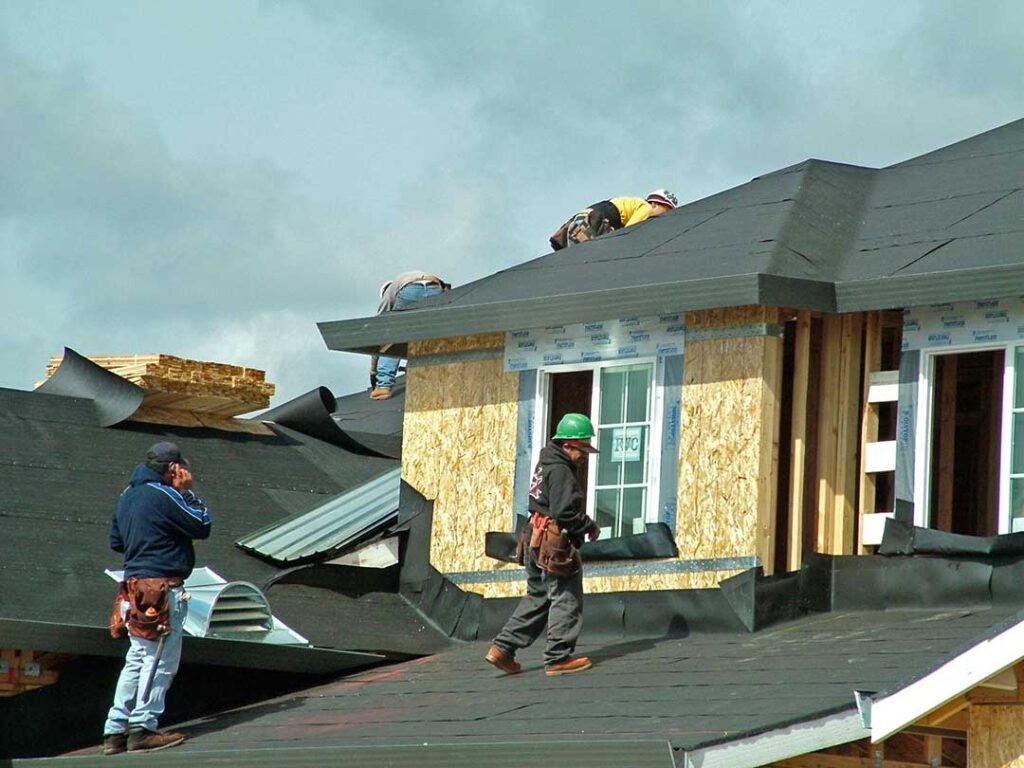
Why Might Residents of Catskill, NY Need a Roof Inspection?
Homeowners in Catskill, NY should consider a roof inspection for several reasons, including after severe weather, as part of routine home maintenance, or when planning to buy or sell a property. Regular roof inspections help catch minor issues before they develop into serious leaks or structural problems, making them an important part of property care in a community known for its seasonal weather swings.
Factors unique to the area, such as heavy snow in winter and rapid spring thaws, can increase wear on roofs. Local homes may also face challenges with moss and lichen growth due to the Hudson Valley's humidity and tree coverage. These Catskill-specific conditions mean that inspections are often recommended before winter or after any significant weather event.
What Happens During a Professional Roof Inspection?
A roof inspection in Catskill primarily involves a thorough visual and physical check by a trained individual who understands the climate-related challenges of the region. The inspector assesses both the exterior and, when accessible, the interior portions of the roof.
Typically, the process includes:
- Walking the roof surface when it’s safe to do so;
- Examining shingles or other roofing materials for damage, curling, missing pieces, or granule loss;
- Checking flashings, chimneys, vents, skylights, and penetrations for gaps, corrosion, or wear;
- Inspecting gutters and downspouts for blockages or improper alignment;
- Inside the attic (if accessible), looking for water stains, mold, insulation condition, and daylight penetration through the decking.
The inspection usually takes between 30 minutes to an hour for an average single-family home, but larger or more complex roofs may take longer.
What Should Homeowners in Catskill Expect Before the Inspection Begins?
Before an inspection, residents are generally asked to ensure safe, unobstructed access to both the outside of the house and, if possible, the attic. This might include moving patio furniture, trimming overhanging branches, or unlocking attic spaces.
There isn’t typically any need for extensive preparation by the homeowner. However, having records of past roof repairs or knowing the age of the current roof can be helpful to the inspector, especially if the home has been through major repairs following storms or past ice damming.
What Issues Are Commonly Found on Roofs in Catskill?
Roofs in Catskill are vulnerable to a spectrum of issues due to the area’s climate:
- Ice dam formation along eaves, which can lead to water infiltration under shingles
- Lifted or missing shingles from gusty, valley winds prevalent in transitional seasons
- Moss accumulation on shaded northern slopes, especially in older parts of the community where tree cover is thick
- Gutter blockages from autumn leaf fall
- Cracked or deteriorated flashing around chimneys and skylights due to freeze-thaw cycles
Older homes, which are common in Catskill, sometimes show signs of historic repairs or nonstandard construction practices, which a local inspector is usually adept at identifying and interpreting.
Are There Any Special Considerations for Inspections Due to Local Regulations or Insurance Requirements?
In Catskill, some older homes may be subject to additional insurance scrutiny, especially if they have not been updated in decades. Insurance companies might require evidence of a safe and functional roof following a claim or ahead of renewing a policy.
While New York State does not mandate roof inspections for most homeowners, lenders may require them during real estate transactions. A thorough inspection report can help satisfy these requirements and pinpoint repairs needed to comply with building codes typical for the region.
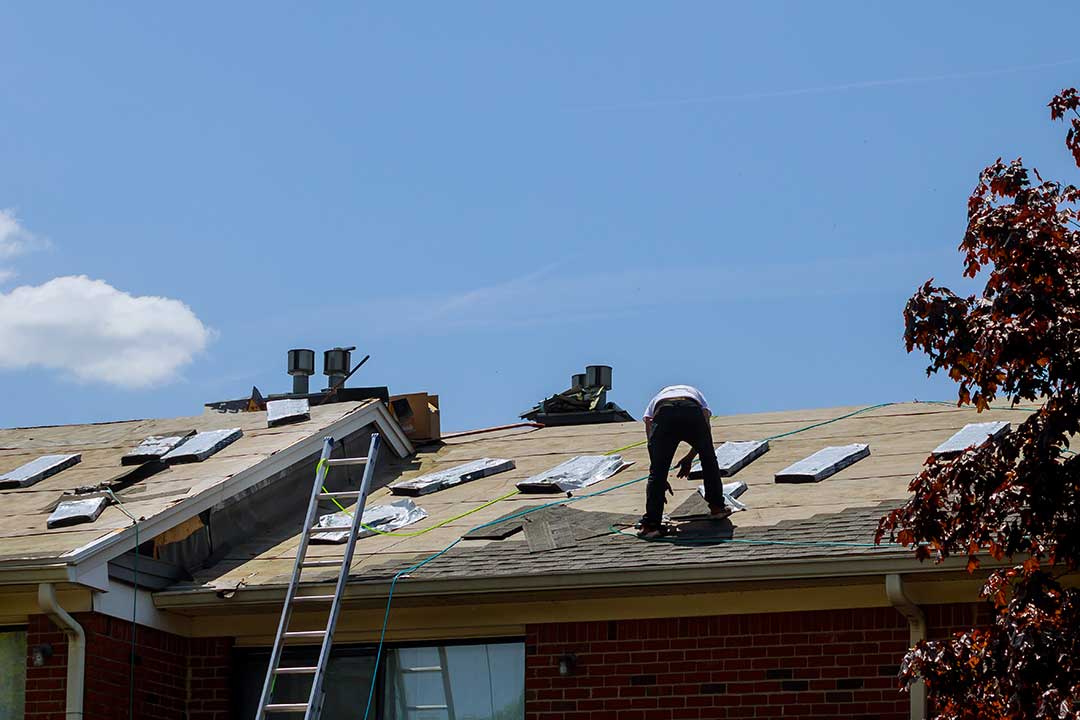
What Should Area Residents Ask or Observe During the Inspection?
It’s helpful for homeowners to observe the inspection from a safe distance and ask questions if anything is unclear. Key points to discuss may include:
- The overall health and remaining lifespan of the roof
- Urgency and estimated timeline for addressing found issues
- Recommendations tailored to Catskill’s climate, such as preventive measures before winter
- Signs of underlying ventilation problems or hidden leaks inside the attic
Many local inspectors will explain their findings on-site, using photos or simple diagrams when describing the issues and the potential next steps.
What Are Some Misconceptions About Roof Inspections in the Area?
Some residents mistakenly believe that a roof only needs inspection after a visible leak or severe damage. In reality, gradual wear from repeated weather cycles can quietly undermine a roof’s integrity over several seasons, especially in a place with pronounced freeze-thaw cycles and summer storms.
Another misconception is that newer roofs do not require inspection. Even roofs under ten years old can have flaws from installation or early material failure, particularly in areas exposed to intense sun or shaded, moss-prone sections characteristic of Catskill neighborhoods.
How Do Inspectors Assess Roofs in All Seasons?
Weather conditions affect how roof inspections are performed in the area. During winter, excessive snow cover or ice can limit access to roof surfaces and delay a full evaluation until conditions improve. In such cases, inspectors may focus on attic signs of moisture, visible ice damming, and interior staining.
Conversely, after major storms in spring or summer, inspectors prioritize identifying wind or hail damage. Residents may notice inspectors using binoculars or drones for hard-to-reach or unsafe areas, as safety is always a top concern during wet or icy periods.
How Should Homeowners Use Inspection Results?
After a roof inspection, homeowners receive a detailed summary of findings and, if necessary, recommendations. Residents should use the information to prioritize repairs based on the roof’s age, season, and urgency of the issues. In Catskill, handling small repairs before they develop into major leaks is essential, given the unpredictable local weather.
Understanding this process allows residents to confidently interpret inspection results, plan for future maintenance, and protect their property investment throughout the sometimes-harsh Catskill seasons.
