

Why Do Roofs in Catskill, NY Need Gutters?
Gutters are a crucial part of roof systems in Catskill, NY because they direct water away from homes, helping to prevent a range of costly problems. Without functional gutters, water runoff from the roof can seep into foundations, erode landscaping, and damage siding.
In this region, seasonal rain and melting snow make efficient water management especially important. Gutters help keep basements dry, reduce the risk of ice dams at the eaves, and protect both old and newer homes from water-related deterioration.
How Do Gutters Support Roof Health Through the Year?
By catching runoff and channeling it away, gutters limit standing water and prevent it from backing up under shingles or flashing. This is essential during the snowy winters and wet springs common in the area.
- During heavy spring rains, gutters prevent overflow from saturating fascia boards and foundations.
- In winter, clean gutters reduce the risk of ice damming—where trapped snowmelt can force water beneath roofing and into attics.
- In autumn, falling leaves can lead to gutter clogs; regular clearing helps maintain roof drainage and avoids unnecessary shingle moisture.
Local homes, especially those beneath large deciduous trees, face extra risk of gutter clogs. Older homes may also have steeper rooflines that shed water more rapidly—making robust, debris-free gutters even more important.
What Problems Can Happen if Gutters Are Missing or Damaged?
Homes without working gutters may see a variety of issues over time. Water spilling straight off roofs can cause:
- Siding rot or staining
- Water pooling near the foundation, potentially seeping into basements
- Mold growth near eaves, soffits, and attics
- Erosion of flowerbeds and walkways
- Premature roof edge deterioration
Residents sometimes overlook gutters because they’re out of sight. However, hidden wood rot, mold, and basement dampness often trace back to poor water management at the roof edge.
Are There Local Climate Factors That Affect Gutter Performance?
Catskill’s changing seasons impact gutters in more ways than just rainfall totals. Local weather patterns mean gutters need to withstand:
- Repeated freeze-thaw cycles in late fall and early spring, encouraging cracks or misalignments
- Spring pollen and late summer twigs, which can quickly clog narrow gutter channels
- Sudden downpours, which strain undersized or sloped gutters and can accelerate wear
Homes with north- or west-facing rooflines may retain snow longer, making timely gutter cleaning before winter especially necessary. Gutter designs that may be suitable in milder regions are more likely to overflow, warp, or fail here if improperly sized or maintained.
How Often Should Gutters Be Cleaned or Checked?
Thorough gutter maintenance is usually needed twice a year in Catskill—once in late fall after most leaves are down, and again in spring to clear winter debris and check for ice damage. Factors that influence how often to check gutters include:
- Proximity to large trees (more frequent cleaning is needed)
- Visible plant growth or moss in gutter channels
- Shingle granules or roof grit collecting in gutters (can signal shingle wear)
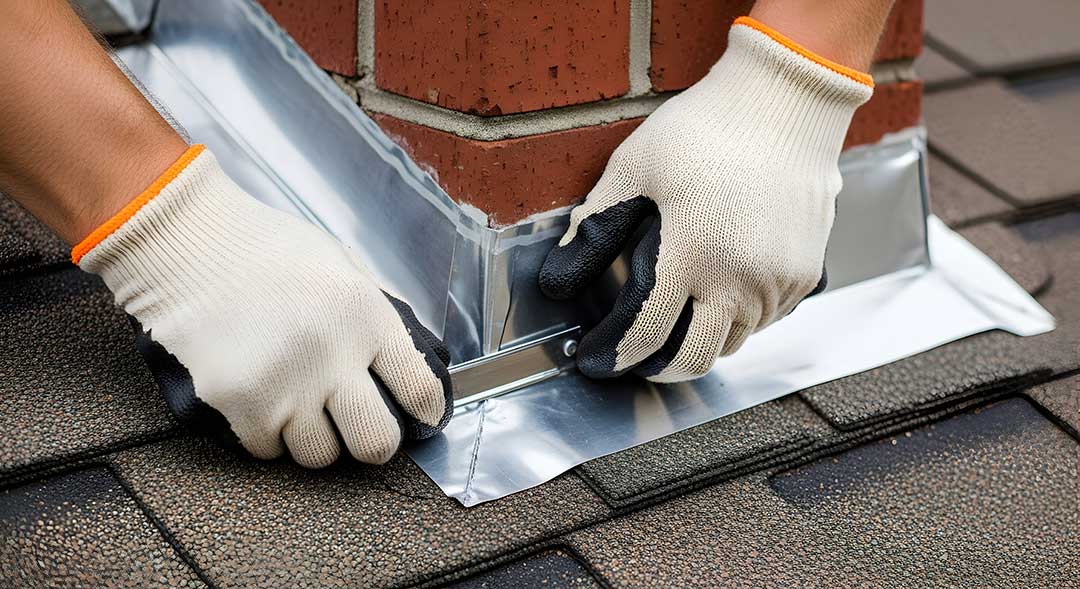
Even if gutters appear clear from the ground, blockages can form around hidden roof valleys or at downspout connections. Dripping or overflowing water during a rainstorm is a tell-tale sign that cleaning or adjustment is needed.
What Gutter Maintenance Should Residents Do Themselves, And When Is Extra Caution Needed?
Clearing accessible debris from gutters and downspouts can often be handled by homeowners with safe ladder practices. However, certain situations require prioritizing personal safety or special caution:
- Steeply pitched roofs can make some gutters difficult or unsafe to reach
- Old, rickety, or ice-damaged gutters may break unexpectedly under pressure
- If mold, pest infestations, or rot are discovered, further investigation may be necessary before continuing
For many community households, a regular seasonal check, safe clearing of visible blockages, and a quick inspection during heavy rain will prevent most common problems. Installing leaf guards or downspout strainers may reduce cleaning frequency, especially on heavily wooded lots.
What Are Some Common Misunderstandings About Gutters and Roof Health?
One frequent misconception is that gutters are only for protecting landscaping or that homes with steep roofs don’t need them. In reality, gutters play a major role in stopping roof edge leaks and controlling the path of all runoff—vital in any home regardless of slope.
Residents sometimes assume that new houses or metal roofs don’t require gutter maintenance, but even the best-designed roof will funnel water at high volume, and any backup or overflow can compromise roof and wall structure over time.
What Should Residents Look for When Assessing Their Own Gutters?
To quickly gauge gutter effectiveness:
- Check for visible warping, rust, sagging, or joints pulling away from the eave
- Look for staining or rot at the base of walls, beneath downspouts, or under roof edges
- During storms, step outside briefly (from a safe distance) to see if water is overflowing or forming runnels against the house
Noticing birds nesting in gutters, plants growing out of them, or visible water stains indoors near ceiling edges are further signs gutters need attention. Even on dry days, leftover dirt bands on siding or along the foundation can indicate chronic overflow problems.
In summary, well-maintained gutters serve as the first line of defense against roof and home water damage in the Catskill area. Tending to seasonal cleanings, spot checks, and safe repairs helps ensure both roofs and living spaces stay healthy for years to come.
