
What Is a Roof Warranty?
A roof warranty is a written agreement that provides coverage for specific problems with your roofing materials or workmanship. Homeowners in Catskill, NY can expect their warranty to outline what is covered, for how long, and under what circumstances.
Most residential roof warranties fall into two main categories:
- Manufacturer’s Warranty: Covers defects in the roofing materials themselves.
- Workmanship Warranty: Covers installation errors made by the roofing contractor.
Understanding both types helps local homeowners clarify who is responsible when issues arise during Catskill’s rainy springs or snowy winters.
What Does a Manufacturer’s Warranty Typically Cover?
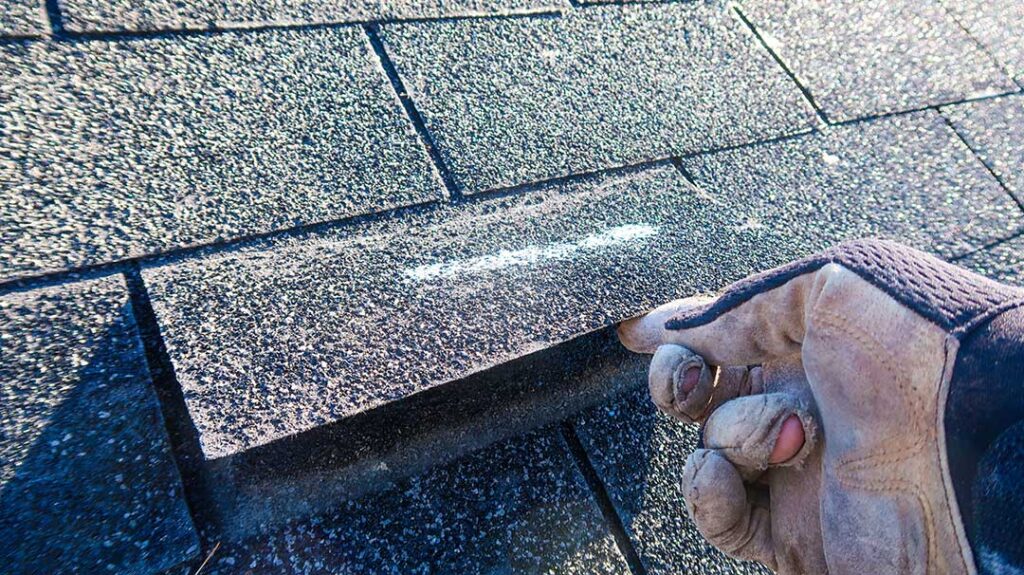
A manufacturer’s warranty protects against defects or premature failure in the roofing materials, such as shingles or underlayment. This means if your shingles crack, curl, or lose granules unusually fast—under normal weather conditions—the manufacturer may repair or replace them.
Common inclusions:
- Premature cracking, blistering, or granule loss not related to weather events
- Problems resulting from factory defects
Typically, these warranties last from 20 to 50 years but almost always include fine print and exclusions. For example, damage from hail or windstorms that are common in Catskill may not be fully covered unless explicitly stated.
What Does a Workmanship Warranty Cover?
A workmanship warranty covers issues caused by improper roof installation rather than material flaws. If a shingle roof installed in Catskill develops leaks at flashing points or around chimneys due to incorrect installation practices, the installer’s workmanship warranty is what should apply.
Coverage limits vary greatly:
- Some warranties last only 1-2 years, others up to 10 years or more.
- Most exclude issues unrelated to installation technique, such as ice damage, falling tree limbs, or foot traffic on the roof, which can happen during Catskill’s stormy months or maintenance activities.
What Is Not Covered Under Typical Roof Warranties?
Warranties never protect against every possible scenario, and many issues fall outside typical coverage:
- Wind, hail, or severe storm damage common in the region
- Water backing up from clogged gutters, especially after autumn leaf fall in Catskill
- Mold, algae, and moss growth unless specific resistant materials were used
- Structural problems unrelated to roofing work, such as rotten decking or trusses
- Alterations, penetrations, or repairs performed by anyone not approved by the original installer or manufacturer
Understanding these exclusions helps area residents avoid unwelcome surprises if a claim arises.
Are Extended or Upgraded Warranties Worthwhile?
Some roof systems offer optional enhanced warranties—often called “extended,” “lifetime,” or “no dollar limit” policies. These are generally purchased during construction or replacement and may add coverage for labor, disposal, or non-defective component failures.
Before purchasing, consider:
- Is the upgrade cost justified relative to the protection? For most homes in Catskill, standard materials and practices meet household needs.
- Are maintenance and inspection requirements reasonable and practical for local weather and roof accessibility?
- Does the warranty transfer to a new owner, which might matter for those planning to sell?
Higher upfront costs don’t always mean better long-term value; compare terms carefully.
How Do Weather and Climate in Catskill Affect Warranty Coverage?
Catskill’s weather—ranging from heavy snowfalls in winter to summer thunderstorms—can stress roofing systems. Most warranties explicitly exclude "acts of nature" such as wind or ice damage.
Homeowners should know:
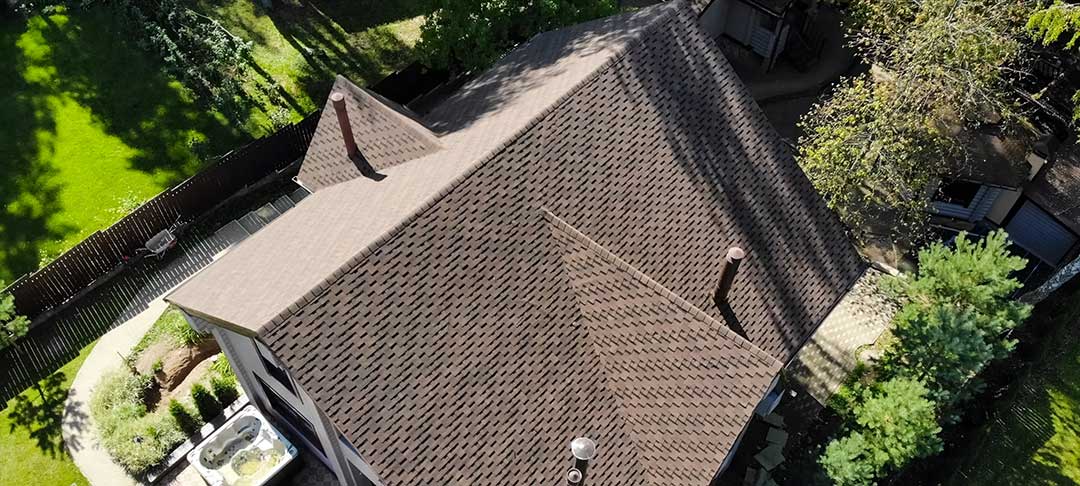
- Wind and ice damming, both common in the area, are rarely covered unless special wind or ice warranties are purchased.
- Seasonal temperature swings can expand and contract roofing materials, causing wear not typically covered.
- Regular clearing of snow and debris is considered homeowner maintenance and is often required for warranties to remain valid.
Local weather underscores the importance of reviewing your warranty’s fine print and keeping records of roof maintenance.
What Steps Can Local Homeowners Take to Maintain Warranty Protection?
To keep a roof warranty valid, manufacturers and installers usually require:
- Regular inspections, especially after major storms
- Prompt repair of small issues before they worsen
- No unauthorized roof alterations or penetrations, such as adding a new vent or satellite dish yourself
In Catskill, keeping detailed records of inspections and maintenance—snapshots after big snowstorms, for instance—can be crucial if a claim is needed.
Common Misconceptions About Roof Warranties
Many area residents are surprised by these realities:
- Warranties do not guarantee lifespan—materials can occasionally last much less (or more) than stated, depending on installation, maintenance, and weather.
- Failing to follow proper maintenance or using non-approved products (like ice melt or certain power washers) can void coverage.
- Transferring a warranty when a house is sold may require paperwork and sometimes a small fee; otherwise, coverage may end with the sale.
Carefully reading your documents—rather than relying on assumptions or hearsay—can help you make informed choices about roof maintenance or future improvements.
Where Can Catskill Residents Learn More About Their Rights and Responsibilities?
State and local building codes, as well as homeowners’ insurance requirements, sometimes interact with roof warranties. While warranties cover limited issues, insurance may step in for storm or catastrophic damage.
Residents can check:
- Warranty documents provided during roof installation or home's prior purchase
- New York State consumer protection websites for guidance on home repair contracts
- Local town offices for building code queries
Advance awareness helps Catskill households stay prepared and avoid confusion if roof problems emerge.
