
How Long Should a Roof Last in Catskill, NY?
Most roofs in Catskill, NY have a functional lifespan that depends on materials, installation quality, and weather conditions. For asphalt shingles, the most common roof type in the city, expect a typical lifespan of 18-25 years. Older architectural shingles can sometimes extend a few years beyond that. Metal, slate, and tile roofs may last several decades longer, but are less common on local homes.
Winter freeze-thaw cycles, heavy rain, humidity, and even late spring winds can take their toll, especially on roofs approaching the two-decade mark. If your roof was installed before the early 2000s or you’ve moved into an older home that hasn’t been reroofed, it’s wise to begin regular checks.
What Are the Signs That a Roof Is Failing?
Certain clues signal a roof that’s past its prime or has underlying damage. Key signs include:
- Curled, cracked, or missing shingles: Asphalt shingles in particular become brittle with age, leading to curling or visible cracks.
- Granule loss: Check gutters and downspouts for excessive shingle grit—this can signal advanced wear.
- Dark patches or uneven color: Staining, black streaks, or a mottled appearance may mean shingles are decaying or there’s trapped moisture.
- Soft or spongy spots: Walk carefully along the roof edge (or check from the attic) for places that feel less solid, which can point to rot or water damage.
- Moss or lichen growth: Catskill’s humid summers and shaded neighborhoods encourage plant growth on damp roofs, which often points to trapped moisture and potential surface damage.
- Daylight in the attic: If you see sunlight through roof boards or around the chimney, gaps likely exist in your roof covering.
Be aware that roofs can sometimes appear fine from the ground even while experiencing serious issues beneath the surface.
How Does Climate in Catskill Affect Roof Replacement Needs?
Roofs in this region experience heavy snow loading in winter, freeze-thaw stress, intense rainstorms, and seasonal humidity. These conditions can accelerate wear:
- Snow and ice can loosen shingles or pry flashing up around vents and chimneys.
- Repeated freeze-thaw cycles force small cracks to grow, leading to leaks.
- Hail, while less frequent, may cause sudden bruising or punctures.
- Summer sun and afternoon storms can dry out older shingles, making them brittle and prone to breaking.
Because Catskill’s climate is variable, roofs often face a variety of stresses over their lifetime, making regular inspection important.
Are Repairs Enough, or Is Full Replacement Needed?
Minor roof damage—such as a few torn shingles after a windstorm—can usually be repaired. However, if more than about a quarter of your roofing surface is deteriorated, multiple leak sites have emerged, or underlying wood structures (the roof deck) are damaged, full replacement typically becomes the cost-effective long-term solution.
Watch for these circumstances where replacement makes sense:
- Leaks reappear in multiple areas even after patching
- Shingles are near or past their expected lifespan
- Sagging appears between rafters (a possible sign of rot)
- Past repairs have used mismatched materials or improper methods
- Mold or significant water stains are found in attic insulation or ceiling drywall
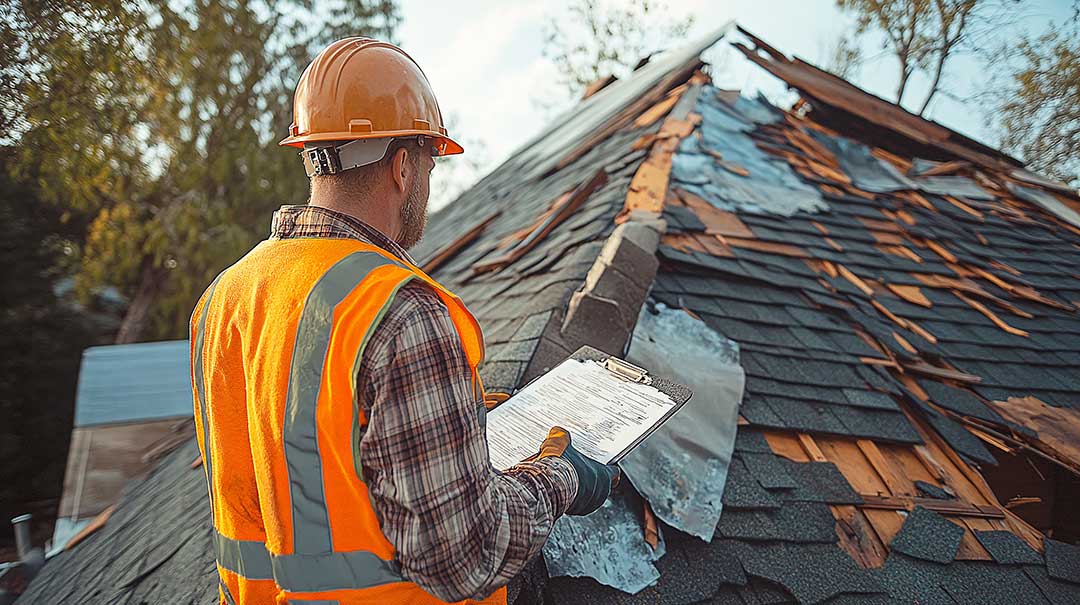
Simply replacing a few missing shingles may keep things dry for a season or two, but persistent problems often indicate the roof as a whole is at the end of its useful life.
What Mistakes Do Homeowners in Catskill Often Make About Roof Replacement?
Some area households over-rely on basic exterior appearances or delay replacement, hoping to avoid the cost. Common misconceptions include:
- “My roof doesn’t leak, so it’s still fine.” Many significant issues—such as deteriorating layers or loose flashing—aren’t visible until water damage has spread further than expected.
- “Only missing shingles matter.” Even if all shingles appear present, granule loss and hidden underlayment failure can still exist.
- “All roofs last the same length of time.” Past repairs, poor attic ventilation, or tree cover can shorten (or sometimes lengthen) roof life in subtle ways.
Proactive visual inspections, especially after major storms or heavy snowfall, help catch smaller issues before bigger problems develop.
What’s Involved in a Roof Replacement in Catskill?
A typical full replacement involves several steps:
1. Removing old roofing material and underlayment
2. Inspecting and repairing the wood decking beneath
3. Installing a weatherproof underlayment, drip edge, and flashing as required
4. Laying the new shingles or other roofing product
Local building codes require proper installation methods and debris removal to protect both individual homes and overall curb appeal in Catskill neighborhoods. Homeowners' associations, if applicable in some subdivisions, may set their own additional rules for appearance and materials, so always check local guidelines first.
Safety tip: If you notice severe sagging, signs of structural damage, or discover old asbestos shingles (uncommon, but sometimes present on properties built before the 1980s), specialized handling is required for safety and legal reasons.
When Should You Start Planning Roof Replacement?
Aging signs, multiple recurring leaks, or widespread wear across the roof all mean it’s time to plan a replacement soon. Additionally, late summer through fall is often preferred for major roofing work in the city—this gives enough warm weather for materials to seal properly and avoids the hazards of snow, ice, and cold snaps.
If your attic shows new water stains, if snow sits for days after storms without melting (a sign of poor attic ventilation or heat loss), or if storm debris consistently damages shingles, begin budgeting and planning before the next major season change.
