
How does sunlight affect a roof?
Sun exposure gradually changes roofing materials through heat, ultraviolet radiation, and repeated expansion and contraction. In Catskill, NY, these effects are often combined with snow, ice, rain, wind, and seasonal temperature swings, so a roof may age unevenly even when it appears intact from the ground.
Ultraviolet radiation can break down the oils, binders, and protective coatings used in many roofing materials. Heat then causes the roof surface to expand during the day and contract as temperatures fall. Repeated movement can contribute to cracking, curling, brittleness, and loss of surface protection.
The process is usually slow. Sun damage may not create an immediate leak, but it can reduce the roof’s ability to tolerate storms and winter conditions later in its service life.
Which parts of a roof receive the most sun?
The sunniest roof sections generally age faster than shaded areas. Roof slopes facing south or southwest commonly receive stronger afternoon exposure, although nearby trees, chimneys, dormers, and neighboring structures can create irregular patterns.
A roof may show different levels of wear because of:
- Roof orientation and pitch
- Seasonal changes in the sun’s position
- Shade from mature trees
- Snow cover during winter
- Nearby buildings or taller roof sections
- Vent pipes, chimneys, and other objects that interrupt the roof surface
- Differences in attic ventilation or roof construction
This uneven aging explains why one slope may still look fresh while another has faded granules, curled shingles, or exposed underlayment.
What does sun damage look like on asphalt shingles?
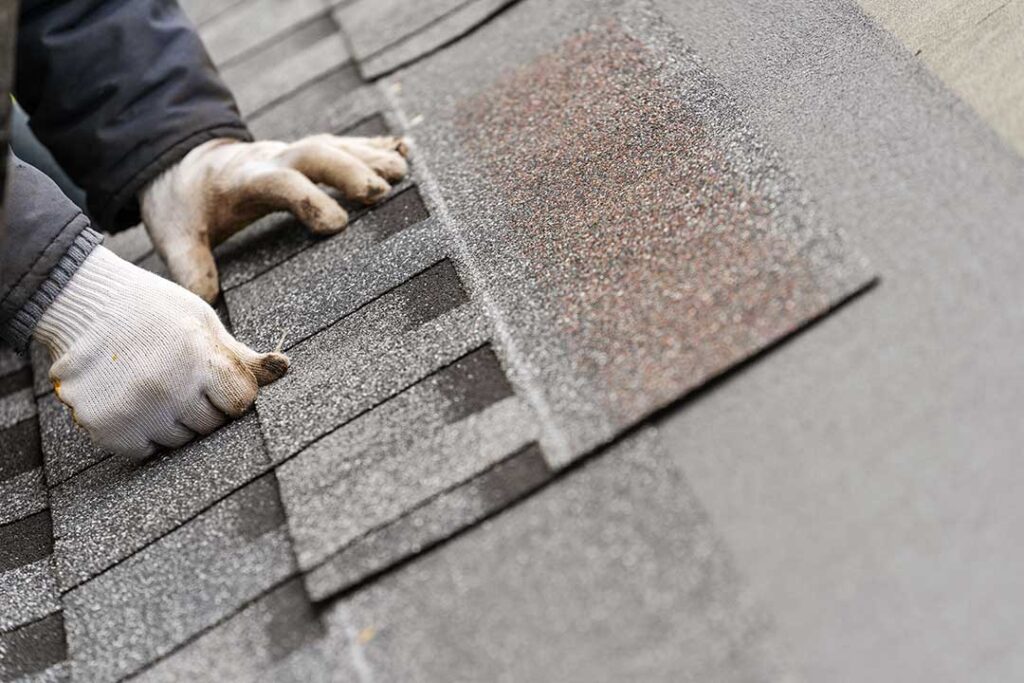
On asphalt shingle roofs, sun-related wear often appears as fading, discoloration, exposed fiberglass, or loss of the small mineral granules embedded in the shingle surface. Granules help protect the asphalt layer from ultraviolet radiation and also add weight and texture to the shingle.
Common signs include:
- Shingles that look lighter or more washed out on one side
- Granules collecting in gutters or at the bottom of downspouts
- Small bald areas where the shingle surface is exposed
- Cracked, brittle, or split shingle edges
- Corners that curl upward
- Shingles that no longer lie flat
- Dark streaks or patches that differ from normal weathering
Color change alone does not always mean a roof is failing. Some discoloration results from airborne deposits or biological growth rather than direct sun damage. The more useful question is whether the shingle surface remains flexible, well-adhered, and free of significant granule loss.
Can sunlight make shingles curl or crack?
Yes. Heat can cause asphalt shingles to become less flexible over time, while daily expansion and nighttime contraction place stress on the material. Once shingles lose flexibility, they are more likely to crack, curl, or split during high winds, freezing temperatures, or physical impact.
Curling may also be related to poor attic ventilation, improper installation, manufacturing defects, or moisture beneath the roofing system. Sun exposure is often one contributing factor rather than the only cause.
A useful distinction is whether the problem is limited to a few isolated shingles or appears across a broad, consistently sunny roof slope. Widespread distortion suggests that the material may be aging or that heat and ventilation conditions deserve closer attention.
Does sun exposure affect metal, slate, and other roofing materials?
Sunlight affects every roof material, but the visible symptoms differ.
Metal roofing usually tolerates ultraviolet exposure well. Its paint or protective finish may fade or chalk over time, and repeated heating can increase movement at seams, fasteners, and penetrations. Properly installed metal roofing is designed to accommodate normal expansion, but loose fasteners or deteriorated sealants can become more noticeable as the roof ages.
Slate and tile are generally resistant to ultraviolet damage. However, dark-colored materials can become very hot, and repeated temperature changes may contribute to cracking in some tiles or deterioration of surrounding mortar and flashing. Natural slate can also develop surface changes that should be evaluated in the context of its age and type.
Rubber and synthetic roofing membranes may gradually lose flexibility or surface protection under strong ultraviolet exposure, especially where coatings have worn away.
Wood shingles and shakes can dry, split, fade, and become more vulnerable to moisture after prolonged sun exposure. Shaded areas may weather differently, creating inconsistent drying patterns across the roof.
Why can a sunny roof slope be warmer than the attic?
Roof surface temperature and attic temperature are related but not identical. A dark roof can become substantially hotter than the surrounding air under direct sunlight. Some of that heat moves through the roof assembly into the attic, particularly when insulation or ventilation is inadequate.
Excess attic heat can contribute to:
- Faster aging of shingles and roofing underlayment
- Higher summer cooling demand
- Drying or deterioration of certain wood components
- Greater temperature stress on roofing materials
- Uneven aging between shaded and exposed roof sections
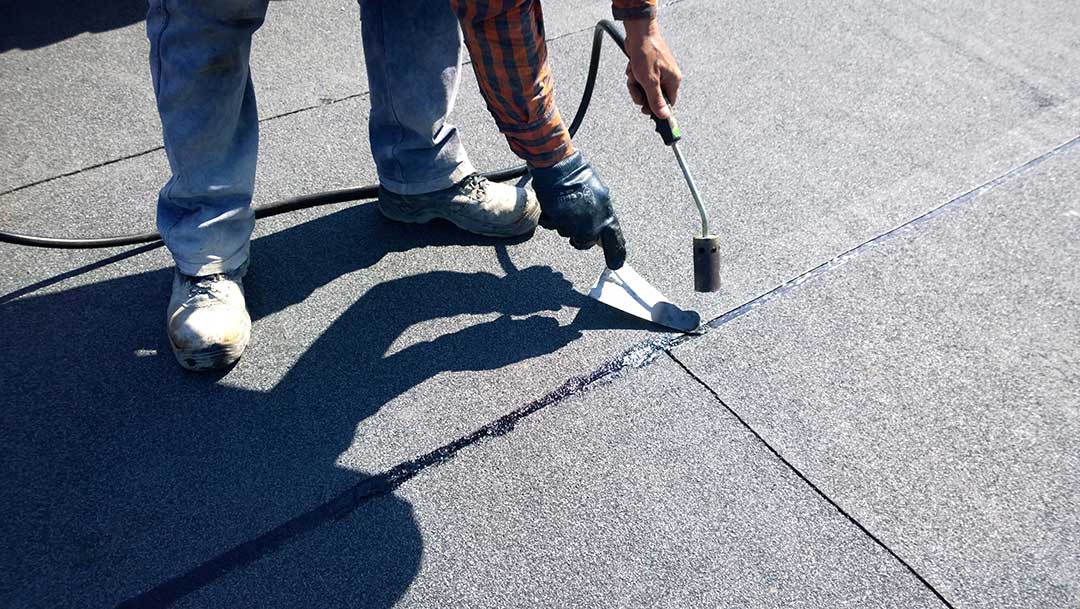
Ventilation does not eliminate sun exposure, but it helps release heat and moisture from the attic. Ventilation systems must be balanced; adding a vent in isolation does not automatically solve a roof-temperature problem, and blocked intake vents can limit airflow.
How does Catskill’s seasonal weather add to sun-related wear?
Local roofs experience more than summer sunshine. The same materials may be exposed to hot sun, autumn temperature changes, winter cold, snow, ice, and spring moisture within a relatively short period.
This repeated cycling matters because a small surface defect created during a hot season may become more serious after freezing temperatures. Water can enter a crack or loosened seam, freeze, expand, and enlarge the opening. Strong wind can then lift a weakened shingle or expose an underlying layer.
Tree shade can create another complication. A shaded roof may stay damp longer after rain or snow, while a sunny section dries quickly. That difference can produce uneven aging across the same roof and may make visual inspection more difficult.
Does roof color change the effect of sunlight?
Roof color influences surface temperature, but it does not determine roof durability by itself. Dark materials generally absorb more solar energy and may become hotter than lighter materials. Light-colored surfaces usually reflect more sunlight, although their actual performance depends on the material, roof design, ventilation, insulation, and installation quality.
A faded roof is not necessarily a cooler roof, and a dark roof is not automatically defective. Color should be considered alongside material condition, attic temperature, shingle flexibility, and the age of the roof system.
What should residents check during a roof inspection?
A visual inspection from the ground can identify changes, but it cannot reveal every sun-related problem. Look for patterns rather than focusing on a single discolored shingle.
Useful observations include:
- Whether one roof slope is more faded or brittle than another
- Granules accumulating below downspouts
- Curled, cracked, or missing shingles
- Open seams around vents, chimneys, and roof edges
- Rusted or deteriorated flashing
- Daylight visible through attic roofing surfaces
- Damp insulation, water stains, or musty odors in the attic
- Unusually high attic temperatures during sunny weather
Roof surfaces can be slippery, steep, and fragile. Walking on them can damage aging shingles and create a fall hazard. Ground-level observation and attic inspection are safer starting points, while steep, damaged, or difficult-to-access roofs may require qualified assistance for a proper evaluation.
Sun exposure is a normal part of roof aging, not a defect that can be eliminated entirely. The practical goal is to recognize uneven wear early, understand how heat and ultraviolet radiation interact with other weather conditions, and distinguish ordinary fading from signs that the roof’s protective surface is beginning to fail.
