

Why Check Your Roof After a Storm?
Storms in Catskill, NY often come with high winds, heavy rain, hail, or even wet snow, each posing real risks to the typical roof found on local homes. Checking for roof damage promptly helps area residents spot problems while they’re still manageable, reducing the likelihood of leaks or costly repairs down the line. Even minor issues can become larger headaches if left unaddressed, especially with Catskill’s changing seasons.
What Should Residents Look for Immediately After a Storm?
After a storm, a quick visual scan from the ground and inside your home is a safe first step. Look for anything out of the ordinary, including:
- Shingles or roofing material visible in yards or driveways
- Sections of the roof that appear uneven or have missing patches
- Twigs, branches, or other debris piled against the roof or gutters
- New water spots, drips, or discoloration on ceilings or walls, especially in upper floors or attic spaces
Paying attention to these early warning signs helps area households prioritize safety and decide whether a closer inspection is necessary.
Is It Safe to Inspect a Roof Yourself?
Walking directly on a roof is never recommended after a storm, especially when surfaces may be slippery, loose, or damaged. In Catskill, snowy or icy conditions in late fall and winter add extra risk. Whenever possible, use binoculars from the ground or inspect with a camera from a safe window or ladder (never climbing onto roofs with steep slopes, ice, or visible damage).
If you notice major structural hazards, fallen power lines, or large branches piercing the roof, consult public safety resources before approaching any closer.
What Are the Most Common Types of Storm Damage Seen Locally?
Roofs in Catskill tend to face:
- Missing or lifted asphalt shingles after strong winds
- Cracked, bruised, or dented shingles from hail or heavy sleet
- Clogged, bent, or detached gutters from debris or ice buildup
- Flashing or metal edge pieces pulled loose by wind gusts
- Soggy, soft spots in the attic from undetected leaks
Some storm damage is subtle. For example, hail might bruise shingles, weakening their lifespan without causing immediate leaks.
How Can You Tell If Shingles Are Damaged?
Shingles don’t always come off entirely; sometimes damage is hard to see from the ground. Signs include:
- Shingles that curl at the edges or appear raised compared to others
- Dark spots (where granules have rubbed off), exposing the black asphalt beneath
- Shiny areas or bald patches after a hailstorm
- Small, circular divots where hail struck
Catskill homes with older roofs are more susceptible, as the bond between shingles and the roof deck weakens with age.
What Should You Check Inside the House?
Even when exterior damage isn’t obvious, the first signs of roof problems often appear indoors. After a storm, inspect:
- The attic, using a flashlight to look for rays of sunlight, wet insulation, or musty smells
- Ceilings and upper-floor walls for new brownish water stains or bubbling paint
- Around chimneys or skylights for dampness or dripping
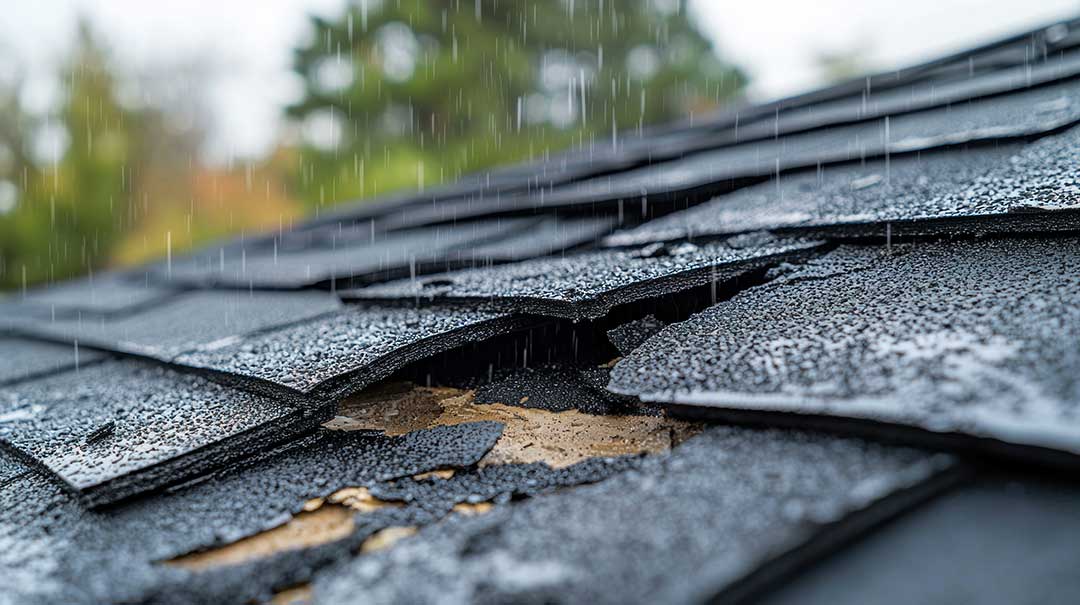
In Catskill, heavy rain followed by cold temperatures can make small leaks freeze, causing recurring stains or warped materials.
Are Gutters and Downspouts Part of the Inspection?
Yes, gutters and downspouts play a critical role in keeping water away from local homes. Check:
- For sections that have separated from the house or are hanging loosely
- If gutters are overflowing, clogged with leaves, or have plants growing in them
- Whether downspouts are bent, blocked, or missing extensions
Poor drainage can direct water toward foundations, leading to basement moisture or foundation issues that are especially problematic in areas with older homes and high water tables, as found in Catskill.
What Damage Might Be Missed Without a Closer Look?
Not all storm damage is visible from the ground. Commonly overlooked problems include:
- Granule loss: Shingle granules often wash into gutters after hail or strong wind
- Flashing shifts: Metal strips that keep water out of valleys and roof joints may shift slightly, causing slow leaks
- Hidden punctures: Small holes can be hidden under piles of debris or lifted shingle corners, especially after falling branches
Local residents sometimes miss these subtler signs, which is why a thorough inspection—without climbing on a dangerous roof—matters.
What Should You Do About Suspected Hazardous Damage?
If you suspect the roof structure is unsafe, there are downed power lines, or major branches have pierced through, do not attempt to fix or clear the area yourself. In such situations, local authorities or emergency response may need to assess or secure the situation before any inspection or repairs can occur.
How Soon Should Repairs Be Addressed?
Timeliness matters, especially with the unpredictable weather shifts in Catskill. Small gaps, lifted shingles, or damaged gutters should be handled as soon as possible to prevent moisture intrusion, winter ice dams, or further shingle loss in future storms.
Temporary solutions can include covering obvious holes with a waterproof tarp until permanent repairs can be planned safely.
